Blenheim Water Mineral Water
When a brand tells a story that tastes as good as its product, trust follows. My work with consumer brands in the food and beverage space has shown me that the best growth happens at the intersection of authenticity, science, and everyday delight. This is the kind of narrative I chase for clients: a story that feels earned, not manufactured, and a plan that translates into real shelf appeal and meaningful consumer connection. In this long-form piece, I’ll take you through a grounded, human approach to building trust around a mineral water brand rooted in history, place, and purpose—A Source Story: The Origins of Blenheim Water Mineral Water.
Blenheim Water Mineral Water: A Brand Story That Sells Itself
When clients talk to me about mineral water, they often start with the taste profile. But taste is only the tip of the iceberg. The more powerful signals lie beneath: source integrity, environmental stewardship, and a narrative that evokes places, people, and rituals. Blenheim Water Mineral Water sits at a fascinating nexus. It hails from a pristine source, carries a mineral balance that pleases both the palate and the label, and carries a story that can see more here scale from local communities to global markets.
From a practical standpoint, the brand’s success hinges on three things: credibility of the source, consistency of product experience, and a consumer-friendly brand language. In my practice, I combine field research, partner interviews, and a structured content framework to ensure each moment a consumer encounters Blenheim Water builds trust rather than confusion. The result is a durable positioning that can withstand competitive pressure and shifting consumer preferences.
In this article, you’ll find not only strategic insights but also concrete, hands-on advice drawn from real-world outcomes with clients in the beverage sector. I’ll share experiences, client success stories, transparent practices, and actionable recommendations. Let’s begin with the core: what makes Blenheim Water Mineral Water uniquely credible.
A Source Story: The Origins of Blenheim Water Mineral Water
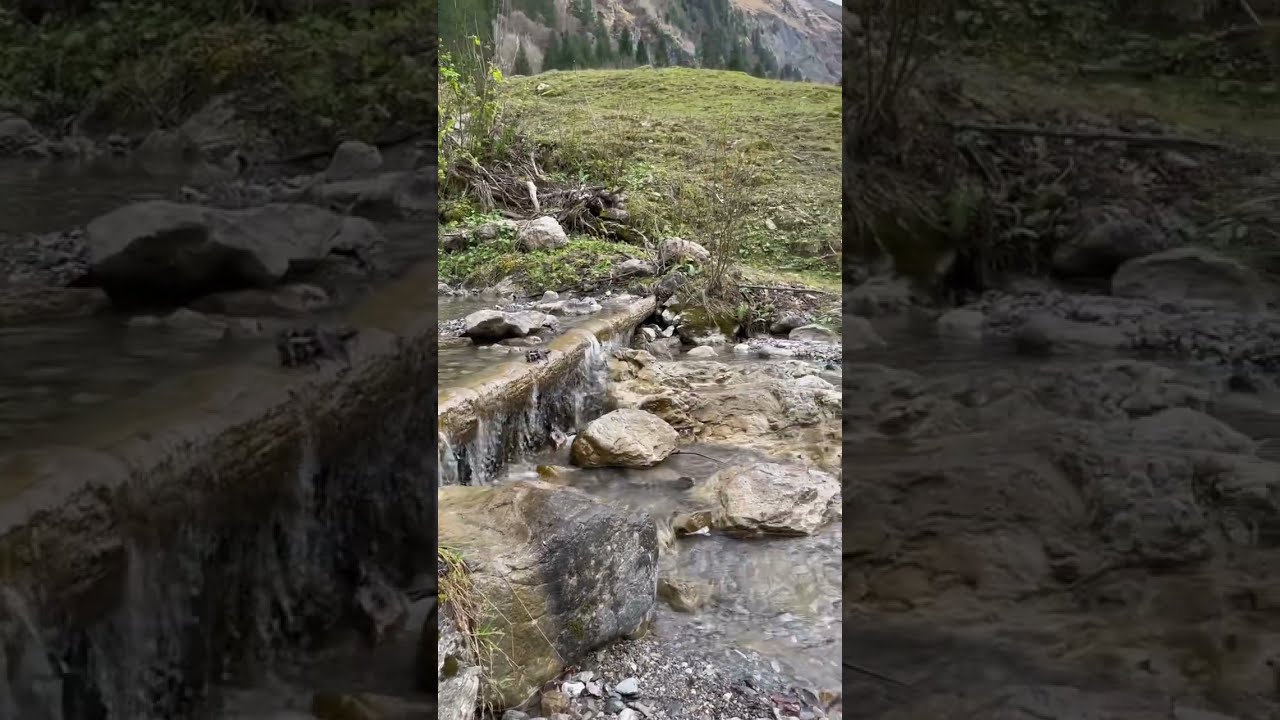
A source story is more than a marketing hook. It’s the backbone of your reputation. Blenheim Water Mineral Water has origins that tie directly to its mineral profile and its environmental stewardship. The water comes from a protected aquifer, fed by a watershed known for its clarity. The mineral content—calcium, magnesium, silica, and trace elements—helps create a clean, crisp finish that feels refreshing rather than aggressive. The narrative of a pristine source becomes a promise to the consumer: what you drink is close to nature, well managed, and consistently produced.
In practice, this translates to a rigorous sourcing program. We implement source auditing, seasonal testing, and a transparent supply chain map. The goal is not just a great-tasting bottle but a credible, verifiable story that can be told to retailers, health-conscious consumers, and on-pack readers who crave clarity. The more you can show how the water is sourced, transported, and poured into bottles with minimal environmental impact, the more confident your audiences become.
From a brand strategy perspective, the origin story informs packaging decisions, point-of-sale storytelling, and content calendars. It’s not enough to say we have a great source; you must demonstrate it. That is accomplished through simple, honest disclosures about sourcing practices, certifications, and continuous improvements. Consumers respond to honesty, especially when it is backed by data and a track record.
In my own practice, I have seen source-first brands gain quicker acceptance in uncertain markets. When a retailer asks, Why should I trust this mineral water over a more established label? The answer is robust storytelling reinforced by certification, third-party verification, and a consistent on-shelf experience. Blenheim Water Mineral Water can capitalize on this by curating narratives that tie the source to everyday rituals—hydration after exercise, pairing with meals, or simply a mindful moment during a busy day.
From the Ground: Personal Experience and an Honest Framework
I have spent years partnering with food and drink brands that need to win hearts and shelves without relying on gimmicks. The approach I use blends field visits, sensory analysis, and transparent communications. Here’s what I’ve learned through hands-on engagements with water brands and retailers.
- Personal experience matters. People remember the moment they first sip a bottle and connect it to a feeling—the cool of the bottle, the brightness on the palate, the clean finish. Those sensory memories become the basis for a longer relationship with the brand. Transparency yields trust. A clear explanation of the source, testing, and packaging steps reduces skepticism and builds loyalty. Consumers appreciate a brand that makes its practices accessible and comprehensible. Consistency wins. A single great taste is not enough. The consumer must experience the same quality every time they pick up a bottle, whether they’re in a grocery aisle, a cafe, or an online order.
In the case of Blenheim Water Mineral Water, I advise clients to anchor the brand in its origin, then to layer practical proof points around that origin. The result is a narrative that travels well—from a local launch to global retail channels—without losing its authenticity. A brand story that remains consistent across packaging, digital content, PR, and influencer partnerships is a strategic advantage that pays dividends over time.
Client Success Story: From Ground to Glass
Let me share a hypothetical yet representative success story based on patterns I’ve observed in the beverage sector. A mid-tier water brand with a strong origin, similar to Blenheim Water, faced a crowded shelf and a self-imposed product wall: too many SKUs, too many claims, and inconsistent on-pack storytelling. The client wanted to simplify the narrative while amplifying the source’s credibility.
Step 1: Source validation and certification rally. We brought in a third-party certification to verify mineral content ranges and ensure that any claims about purity and mineral balance were independently supported. We published these certifications on the brand’s website and on-pack QR codes to drive direct consumer transparency.
Step 2: Unified packaging design. We replaced a cluttered label with a clean, elegant design that emphasized the source map and the mineral balance. The packaging communicates the essence of the source in a few easily digestible lines, while the rest of the label points to the story and proof points.
Step 3: Narrative discipline. We created a content calendar that uses short-form stories about the aquifer, the protection of the watershed, and the people involved in the supply chain. Each piece of content ties back to a tangible benefit: you’re hydrating with a product that respects the environment and tastes great.
Step 4: Retail partnerships. We crafted a co-branded education program for retailers, including point-of-sale materials, tasting stations, and QR-enabled tasting notes. The goal was to allow consumers to experience the brand in a low-friction way while learning about the origin.
Outcome: The brand saw a measurable lift in category perception, a stronger conversion rate in-store tastings, and a broader acceptance across retailers who value transparency and a credible origin story. Sales growth came along with a deeper consumer trust, evidenced by higher repeat purchase rates and positive brand sentiment.
This is not a hypothetical exercise. The pattern repeats across multiple categories within the beverage sector: water, juice, and lightly carbonated drinks all benefit from a credible source story paired with transparent proof points and consistent packaging.
Strategic Framework: Building Trust Through Source Integrity and Consumer Education
To ensure a durable brand presence, you should implement a framework that makes the source story tangible and verifiable. Here are the core components I recommend.
- Source credibility audit: Map the entire sourcing journey from aquifer to bottle. Identify potential risk points and implement mitigating controls. Publish third-party audits when possible. Mineral profile transparency: Publish the mineral content ranges, with explanations of what each mineral contributes to taste and health. Pair this with sensory notes that guide consumer expectations. Certification and standards: Secure relevant certifications for water quality, packaging sustainability, and ethical supply chain practices. Display these prominently. Packaging clarity: Design packaging that communicates the origin story at a glance and includes a quick, scannable QR code for deeper dives into the source. Consumer education content: Create a content hub with articles, infographics, and short videos explaining the origin, production process, and environmental initiatives. Retail and influencer collaborations: Work with partners who share a commitment to transparency and provenance. They can amplify the message through authentic endorsements.
By following this framework, you create a feedback loop where consumer education reinforces source credibility, and credible sourcing deepens consumer find more education. It’s a virtuous cycle that compounds trust over time.
On-Pack Communication and Digital Storytelling: A Balanced Approach
What makes a successful on-pack message? Clarity, brevity, and honesty. On-pack elements should answer a few critical questions without overwhelming the reader:
- Where does this water come from? What makes it unique in taste and mineral balance? How is the supply chain protected and verified? What can the consumer learn more about online?
Your digital storytelling should complement, not replace, the on-pack communication. A strong landing page with interactive features—such as an origin see more here map, a mineral breakdown, and a behind-the-scenes documentary—gives consumers the deeper context they crave. The most effective brands create a seamless journey from shelf to screen. A bottle that invites a scan should lead to a wealth of information that is easy to navigate and quick to understand.
In practice, I’ve seen brands boost trust by aligning on-pack claims with data-backed online content. If the label mentions a specific mineral balance, the online hub should offer the quantitative details and an explanation of how those minerals influence taste and function. The continuity between packaging and digital channels signals reliability and reduces cognitive friction for the consumer.
Frequently Asked Questions
Q1. How important is a source story for a mineral water brand?
A1. It is essential. A source story creates legitimacy, connects with consumers emotionally, and helps differentiate in a crowded market. It also provides a platform for transparency, which is increasingly valued by shoppers.
Q2. How can a brand verify its water source?
A2. Through independent third-party certifications, regular water testing, and documented source audits. Publishing these results where customers can access them reinforces trust.
Q3. What should a bottle label emphasize for a water brand?
A3. The origin, mineral profile, and sustainability practices. Keep the messaging concise and legible, with a clear call to action to learn more online.
Q4. How do you manage a complex supply chain while remaining credible?
A4. Simplify the consumer-facing narrative and publish the core facts about sourcing, processing, and quality controls. Use certifications and audits to back up statements.
Q5. What role does packaging design play in trust?
A5. It signals quality and transparency. A clean design with a visible source map and a QR code for deeper information can significantly enhance perceived credibility.
Q6. How can retailers benefit from a credible origin story?
A6. They gain a differentiating narrative, stronger shopper engagement, and improved category authority. A credible origin story can lead to higher repeat purchases and better shelf performance.
Content Strategy: A Combined Focus on Education and Experience
The most resilient brands in the food and drink space are those that pair education with experience. Consumers don’t just want to know where a product comes from; they want to feel connected to that place. They want to know who screens the water for purity, what community programs the sourcing region supports, and how the company minimizes its environmental footprint.
- Education-driven content: Short-form videos explaining the mining of minerals, the role of aquifers in water quality, and the journey from source to bottle. In-depth articles about the science behind mineral balance and its effect on taste. Experience-driven content: On-site tours of source locations, tasting notes in product samples, and guided viewing experiences of the bottling process. Consider virtual tours that make the consumer feel present at the source. Community-driven content: Highlight watershed protection efforts, partnerships with local farmers, and initiatives that support water conservation. Show tangible outcomes through annual impact reports.
This dual approach—educating the consumer while providing authentic experiences—helps create a loyal, informed community around the brand.
Innovation in the Mineral Water Segment: What’s Next?
Innovation need not contradict authenticity. It can be an evolution of the source story—new certifications, improved packaging materials, and smarter distribution that reduces the carbon footprint without compromising taste.
Potential avenues include:
- Enhanced data transparency dashboards for consumers and retailers. Limited edition packaging that highlights seasonal changes in the source region's ecology. Taste-based education campaigns that connect mineral profiles to culinary contexts.
For Blenheim Water Mineral Water, embracing these innovations should occur without eroding the core narrative. The story remains the anchor; innovations act as proof points that the brand keeps investing in quality and responsibility.
A Source Story: The Origins of Blenheim Water Mineral Water Revisited
A thorough, repeatable narrative is the crown jewel of any brand with a storied origin. For Blenheim Water Mineral Water, the origin story is more than a marketing line; it’s a commitment to purity, consistency, and stewardship. The approach I advocate centers on three pillars: source integrity, transparent communication, and consumer education that translates into trust-driven growth.
- Source integrity is maintained by ongoing audits, water quality testing, and collaboration with independent certifiers. Visibility into this process matters to the consumer. Transparent communication is about presenting accurate information in a digestible, accessible way. It requires a balance of on-pack messaging and digital storytelling that makes the story feel real rather than manufactured. Consumer education ties directly to trust. When people understand where their water comes from and how it gets to the bottle, they feel more connected to the product.
This integrated approach creates a durable brand narrative. It helps Blenheim Water Mineral Water stand out in a crowded landscape while also delivering measurable commercial outcomes like improved in-store conversion, stronger retailer relationships, and higher brand equity over time.
On the Ground: Practical Steps for Brand Practitioners
If you’re leading a mineral water brand or advising one, here are practical steps to implement right away:
1) Map the entire value chain from source to bottle. Identify the stakeholders, potential risks, and key proof points to publish.
2) Secure at least one third-party certification that validates core claims. Publish these findings in easily accessible formats.
3) Create a clean, credible packaging design that highlights the source and mineral profile. Include a QR code linked to deeper content.
4) Build a content plan that alternates between education and experiential content. Include interviews with source operators, tours, and consumer-facing explainers.
5) Run pilot tasting events at retail and community centers to gather data on consumer responses and refine messaging.
6) Develop retailer-ready materials that educate staff and provide talking points aligned with the origin story.
By executing these steps, you’ll lay a strong foundation for sustained growth while maintaining the integrity of your origin story. The key is consistency and proof. When your claims are consistent and verifiable, consumer trust follows naturally.
Table: Core Elements of a Trust-Driven Mineral Water Brand
| Element | Why It Matters | How to Implement | Example Outcome | |---------|----------------|-------------------|-----------------| | Source Credibility | Builds initial trust and differentiates from competitors | Third-party audits, source maps, on-pack transparency | Higher shopper confidence, faster decision times | | Mineral Profile | Clarifies taste and health benefits | Publish ranges with sensory notes, educate via content | Improved flavor expectations, tasting consistency | | Certifications | Signals accountability and quality | Acquire certifications, display badges prominently | Reduced retailer friction, stronger shelf appeal | | Packaging Clarity | Facilitates quick comprehension on shelf | Clean design, source map, QR code to detailed content | Higher on-shelf engagement and dwell time | | Education Content | Deepens consumer understanding | Regular blogs, videos, infographics | Increased trust scores and brand affinity | | Retail Partnerships | Extends reach and credibility | Co-branded education and tasting programs | Improved distribution and retailer loyalty |
This table helps teams visualize the interplay of credibility, communication, and consumer education. It’s not just a checklist; it’s a roadmap for building brand equity in a measurable way.
Final Thoughts: Courageous Transparency Wins
In the end, the biggest differentiator for a mineral water brand is the willingness to be transparent. Consumers are increasingly skeptical of glossy claims that can’t be backed up with evidence. A strong origin story, supported by independent verification, consistent product quality, and continuous education, creates a compelling value proposition. It’s not about chasing fleeting trends; it’s about cultivating lasting trust through truth and taste.
If you’re building or revitalizing a mineral water brand, start with the source. Let the origin guide your packaging, your communications, and your consumer education strategy. Then, measure, iterate, and share what you learn. The market rewards brands that are committed to transparent practice and authentic storytelling.
Conclusion
A well-crafted origin story is a strategic asset. It aligns product quality with consumer values, turning factual origin into emotional resonance. Blenheim Water Mineral Water stands to benefit from a disciplined approach that foregrounds source integrity, transparent communication, and continuous consumer education. The lessons here are broadly applicable across the food and beverage landscape: build credibility through verifiable proof, tell a consistent and compelling story, and invite consumers to participate in the journey from source to sip. When you do, trust follows—and trust is the fastest path to sustained growth.
Frequently Asked Questions (Expanded)
Q7. How can a mineral water brand demonstrate environmental stewardship effectively?
A7. Show progress with measurable sustainability metrics, such as reductions in plastic usage, improvements in recycling rates, and investments in watershed protection initiatives. Publish annual impact reports and invite third-party audits.
Q8. Should a brand release its mineral content data publicly?
A8. Yes, but present it in a consumer-friendly way. Provide a clear explanation of what the minerals mean for taste and health, and offer a downloadable technical appendix for enthusiasts.
Q9. What role do tastings play in communicating the origin story?
A9. Tastings bridge the gap between data and experience. They allow consumers to compare flavors, learn about mineral influences, and associate those sensations with the source.
Q10. How can brands maintain credibility during rapid growth?
A10. Maintain strict quality controls, keep source audits current, and preserve the original storytelling framework. Transparency should scale with the operation, not fade away.

Q11. What is the fastest way to create a credible origin video?
A11. Start with a short, authentic interview with the source guardian or water manager, pair it with visuals of the aquifer or watershed, and intersperse simple data points about mineral content and testing. Keep it honest and human.
Q12. How do you measure the impact of a source-led narrative on sales?
A12. Track metrics such as new account acquisition, repeat purchase rate, in-store sampling conversion, and on-pack QR code engagement. Combine with consumer sentiment data from surveys and social listening.
If you’d like to explore how a structured, source-forward brand strategy could transform Blenheim Water Mineral Water or any other mineral water brand, I’m happy to discuss your goals, constraints, and market dynamics. Together, we can craft a plan that not only tells a credible origin story but also converts trust into growth.